Dental Implants in Coburg: Everything You Need to Know Before Treatment
By admin on October 29, 2026 in Uncategorized
Have you ever wondered what happens to the space left behind when you lose a tooth?
A missing tooth can be surprisingly disruptive to your oral wellbeing. It can change the way you chew, affect your speech and make you more conscious of your smile. And while you may get used to the gap, the jawbone underneath it may not carry on as before.
If you’re considering dental implants in Coburg, you’ll probably have questions about how the treatment works, how long it takes, what it costs and whether you’re a suitable candidate.
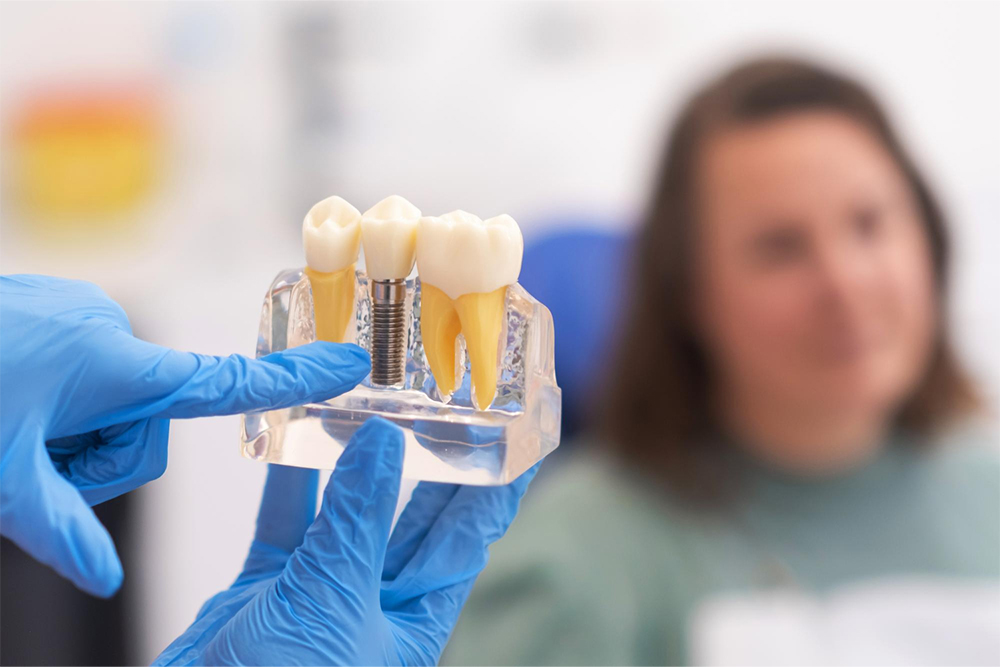
Dental implants are designed to replace a missing tooth at its root. A small implant post is placed into the jawbone and, once it has healed, supports a crown or another type of restoration.
What Is a Dental Implant, Exactly?
A dental implant replaces the part of a tooth you don’t see. The implant post sits in the jawbone where the natural root used to be, while the replacement tooth sits above it.
There are three main components:
- Implant post: The artificial tooth root placed into the jawbone
- Abutment: The connector between the implant and restoration
- Crown: The visible replacement tooth
The post is usually made from titanium, which can integrate with the surrounding bone. Once healing is complete, it provides a stable base for the replacement tooth.
Why Do People Consider Dental Implants?
An implant can replace a single tooth, several teeth or, in some cases, most or all of the teeth.
For one, it’s fixed. You don’t have to remove it before bed, and there’s no denture moving around while you’re eating. An implant also provides a stable base for the replacement tooth.
Then there’s the jawbone. Once a tooth is lost, the bone that supported its root can gradually reduce. An implant can help maintain the bone around the implant site.
Whether those advantages make an implant the right choice for you is another question. A bridge or denture may be more suitable, depending on your teeth, gums and overall oral health.
Should You Get Dental Implants?
There isn’t a simple checklist that can tell you whether an implant is right for you. There are several things your dentist will want to look at before recommending an implant, including your gums, the amount of bone available and your general health.
You may be considered for an implant if you:
- Have one or more missing teeth
- Have healthy or treatable gums
- Have enough bone to support an implant
- Can maintain good oral hygiene
- Are able to heal adequately after treatment
If you’ve already experienced bone loss, that doesn’t necessarily rule out treatment. A bone graft or another procedure may be considered before the implant is placed, depending on the amount of bone available.
What Types of Implant Treatment Are There?
The treatment you need will largely depend on how many teeth are missing.
Single-tooth implants replace one missing tooth, with an individual crown supported by the implant.
Multiple implants can be used when several teeth are missing. They may support individual crowns or an implant-supported bridge.
When most or all teeth need replacing, full-arch implant treatment may be considered. Implant-supported dentures are another option, using implants to provide additional stability.
Dental Implants or Dentures – What’s Right for You?
This is a common comparison, but the two treatments work in quite different ways.
Dental Implants | Dentures |
Fixed in place | Removable |
Anchored in the jawbone | Rest on the gums |
Can help maintain bone around the implant | Don’t prevent bone loss in the same way |
Designed for long-term use | May need adjustment or replacement |
Don’t require neighbouring teeth for support | May use surrounding teeth or gums, depending on the type |
Which one is appropriate depends on your teeth, gums, jawbone and overall treatment needs.
What Really Goes On During the Treatment?
Implant treatment takes time because the implant and your jawbone need time to do their respective jobs.
First, your dentist will examine your mouth and may use X-rays or 3D scans to see what’s happening beneath the surface and plan where the implant should go.
The implant is then placed into the jawbone under local anaesthesia.
Then comes the waiting. The surrounding bone gradually integrates with the implant in a process called osseointegration. This usually takes several months.
Once the implant has healed sufficiently, the abutment and crown can be fitted.
If you need bone grafting or other treatment first, you’ll need to allow extra time for that as well.
What Do Dental Implants Cost in Coburg?
The cost varies because not everyone needs the same treatment.
You may be looking at different costs depending on:
- The number of implants required
- The type of restoration
- Whether bone grafting is needed
- The complexity of the treatment
When discussing the cost, ask what the quoted fee includes and whether anything else is likely to be needed. It gives you a much clearer picture of the actual treatment cost.
What Can You Expect After Surgery?
Some swelling, tenderness or discomfort is normal following implant surgery. Your dentist will give you specific instructions for caring for the area while it heals.
You may need to eat softer foods for a short period and take extra care when cleaning around the implant. Smoking should also be avoided during healing, and follow-up appointments are an important part of the process.
Feeling comfortable again after a few days doesn’t mean the implant has finished healing. The bone still needs time to integrate with it.
How Long Do Dental Implants Last?
This is one of the big attractions of implants. The implant post can remain functional for many years and, in some cases, decades.
The crown is a different story. It takes the daily wear of chewing and may eventually need to be replaced.
Your oral hygiene, gum and bone health, smoking, teeth grinding and general health can all influence how long the implant lasts. Regular brushing, cleaning between your teeth and dental check-ups are important for keeping the surrounding tissues healthy.
What About All-on-4 Dental Implants?
If you’re missing most or all of your teeth, All-On-4 dental implants in Coburg may be among the options discussed with you.
Rather than replacing every missing tooth with an individual implant, All-on-4 treatment uses four implants to support a full-arch restoration in suitable cases.
Whether this approach is appropriate depends on your bone, gums, remaining teeth and overall oral health.
Finding an Implant Dentist in Coburg
Choosing an implant dentist is something worth taking a little time over. You want to know what is being recommended, why it has been recommended and what the treatment will involve from start to finish.
If you’re looking for an implant dentist in Coburg, ask about the proposed treatment, how long the different stages are expected to take and what will be involved after the implant has healed. And if you’re comparing dental implants with other replacement options, your dentist can explain how those choices apply to your particular teeth and oral health.
Book Your Appointment Today
Take the first step towards better oral health by booking your next dental check-up with Applebite Dental. Our friendly team is committed to helping you maintain a healthy, confident smile for life.
Call applebite dental on : (03)93541442.
Frequently Asked Questions
The area is numbed with local anaesthetic during the procedure, so you shouldn’t feel the implant being placed. It is normal to have some tenderness, swelling or discomfort afterwards, but this usually settles as the area heals.
It isn’t a quick process. The implant needs time to settle into the jawbone before the replacement tooth can be fitted, so treatment usually takes several months. If you need bone grafting first, it can take longer.
Yes. Although implants can work well for many people, problems can occur. Infection, smoking, poor oral hygiene, teeth grinding and inadequate bone support can all affect how an implant heals and functions.
Dental implants have been used to replace missing teeth for many years. As with any treatment, there are risks, so your dentist should explain what these are and whether implants are suitable for you.
It comes down to more than simply having a missing tooth. Your gums, jawbone, general health and ability to heal all matter. Your dentist can talk you through whether an implant makes sense for you or whether a bridge, denture or another option would be more appropriate.